
What Is a Credit Score? The Complete Beginner’s Guide to Understanding Your Number
INTRODUCTION
What is a credit score? At its simplest, it is a three-digit number that tells lenders how likely you are to repay borrowed money. But behind that number lies a complex system that affects everything from your ability to buy a home to the interest rate you pay on a car loan, and even whether you can rent an apartment. Credit scores are important indicators of your financial health. They can impact your ability to get approved for loans, credit cards, utility services, and even rental applications.
A credit score is a numerical representation of an individual’s creditworthiness, which is based on the information in their credit report. It indicates the level of financial risk associated with lending money to an individual and the likelihood of repaying debt on time. In short, your credit score is a financial report card that lenders use to decide whether to do business with you.
Understanding credit and credit scores is essential to making informed financial decisions. Credit scores affect a person’s ability to qualify for loans and favorable interest rates on credit cards, auto loans, and mortgages. A higher score can increase the chances of getting approved for a loan or credit card and can usually secure better interest rates. A lower credit score may make it more difficult to get approved for a loan or may result in being offered higher interest rates, which can make it more difficult to pay off debts.
THE CREDIT SCORE RANGE
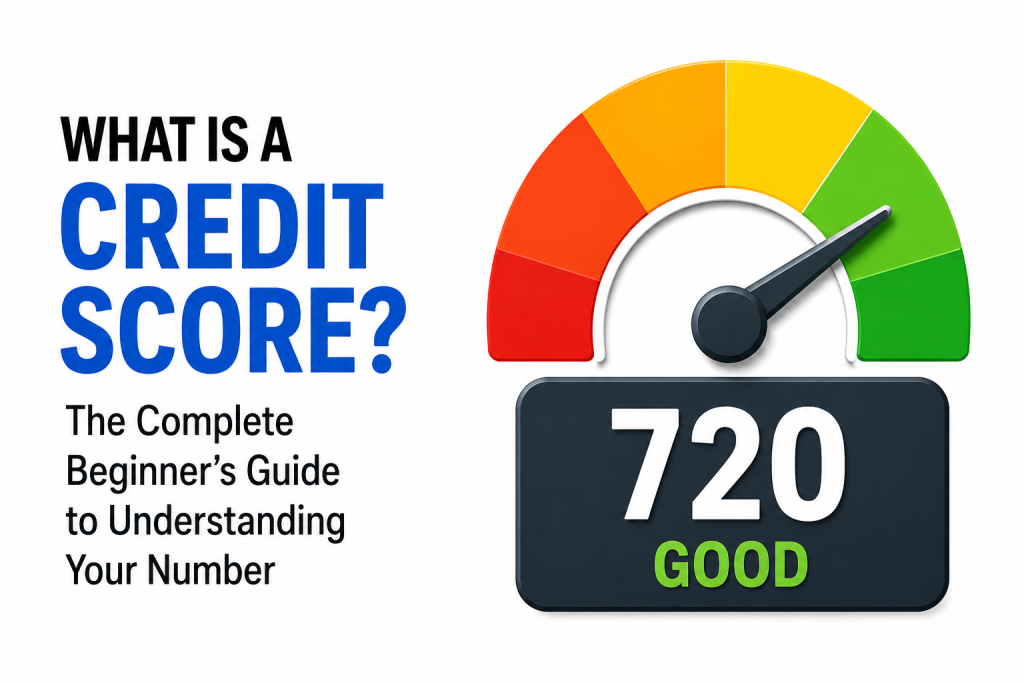
Credit scores generally range from 300 to 850, with 850 considered exceptional. While credit score ranges vary, typically scores are considered as follows:
- Poor credit: Below 580
- Fair credit: 580 to 669
- Good credit: 670 to 739
- Very good credit: 740 to 799
- Excellent credit: 800 and higher
Scores in the good or excellent range usually afford more access to better financial products and lower interest rates. This means that the difference between a good and excellent score can save you thousands of dollars over the life of a loan.
WHERE DO CREDIT SCORES COME FROM?
Your credit scores are generally based on information in your credit reports. This information is reported by your lenders to credit reporting companies. The three biggest are Equifax, Experian, and TransUnion. Several variables affect your credit score, including how many credit accounts you have, how long you have had those accounts, how close you are to your credit limit, how often your payments have been late, and other factors.
It is important to note that you have many credit scores, not just one. Lenders use different scores for different products, there are many different credit scoring formulas, and information can come from different credit reporting sources. For example, a credit card score could be different from a home loan score, and any scores you purchase online could be different from both of those. This is why it can pay to shop around when you are looking for a loan—different lenders may use different scoring models.
CREDIT SCORE VS. CREDIT REPORT
A credit report is a statement that has information about your credit activity and current credit situation such as loan paying history and the status of your credit accounts. Your credit report contains information that is used to calculate your credit score. Most people have more than one credit report because credit reporting companies collect and store financial data about you that is submitted to them by creditors, and creditors are not required to report to every credit reporting company.
While your credit score is a number, your credit report is a detailed document that contains all the information that goes into calculating that number. This distinction is critical because errors on your credit report can negatively impact your credit score.
THE HISTORY OF CREDIT SCORING
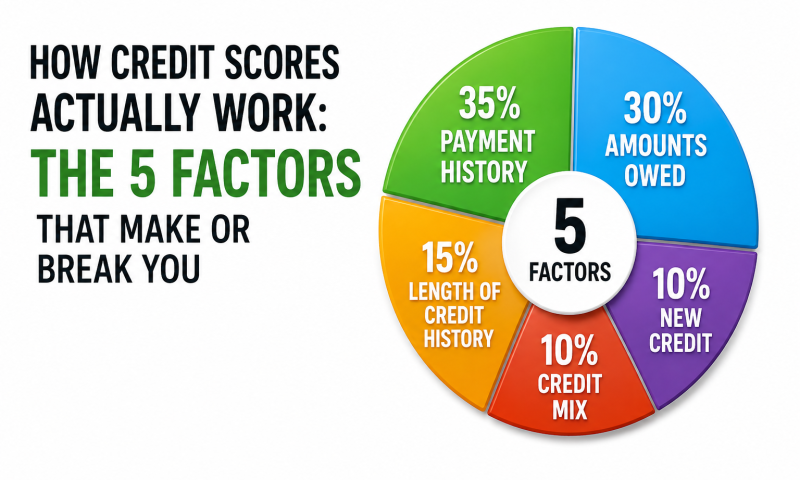
Credit scores have been developed by companies like FICO and VantageScore. The FICO score, the most commonly used credit score, ranges from 300 to 850 and uses five main components. There are also other scoring models, such as VantageScore, which is a competitor to FICO. The VantageScore 5.0 is designed to generate more consistent credit scores across your three credit reports compared with other credit scores, and is optimized for lenders offering unsecured loans and credit cards.
WHY YOUR CREDIT SCORE MATTERS
Your credit score is used by lenders to help them decide if they will loan you money and what interest rates they will offer you. Lenders also use your credit report to determine whether you continue to meet the terms of an existing credit account. Other businesses might use your credit reports to determine whether to offer you insurance; rent a house or apartment to you; provide you with cable TV, internet, utility, or cell phone service. If you agree to let an employer look at your credit report, it may also be used to make employment decisions about you.
WHAT IS A GOOD CREDIT SCORE?
A good credit score is generally considered to be 670 or above. However, lenders may have their own criteria for how they define a good credit score. Lenders also consider other factors when evaluating your credit application, such as your income, debt-to-income ratio and history with the company. As a result, even having good credit does not guarantee you will be approved for a loan or credit card.
HOW TO CHECK YOUR CREDIT SCORE
The three credit reporting companies provide credit scores for a fee. You can make a request for your credit score online and by phone. In some instances, your credit union, credit card company, lenders, or non-profit credit or housing counselors may also offer your credit score for free. However, these are not always the same as the ones you would get from credit reporting agencies. These “educational credit scores” are intended to help you keep track of your score.
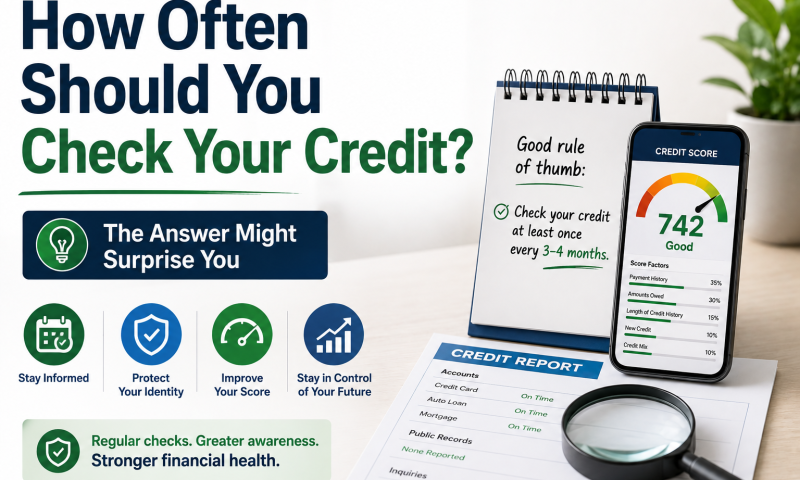
You can also get one free credit report from each of the big three credit reporting companies every 12 months at AnnualCreditReport.com or by calling 877-322-8228. In addition, Equifax offers six free credit reports every 12 months, until December 31, 2026. Regularly reviewing your credit report can help you catch errors that might be hurting your credit score.
COMMON MYTHS ABOUT CREDIT SCORES
Myth 1: Checking your credit score lowers it. Checking your own credit score is a soft inquiry and does not affect your score. Only hard inquiries from lenders when you apply for credit can impact your score.
Myth 2: You only have one credit score. You have many credit scores depending on the scoring model and credit reporting agency used. Different lenders may see different scores.
Myth 3: Closing old credit cards improves your score. Closing old accounts can actually hurt your score by reducing your available credit and shortening your credit history.
Myth 4: Carrying a balance helps your score. You do not need to carry a balance to build credit. Paying your balance in full each month is better for your finances and still builds positive payment history.
Myth 5: Your income affects your credit score. Your income is not included in your credit report and does not directly affect your credit score. However, lenders consider income alongside your credit score when making lending decisions.
CONCLUSION
Your credit score is one of the most important numbers in your financial life. It affects your ability to borrow money, the interest rates you pay, and even your ability to rent an apartment or get a job. Understanding what a credit score is, how it is calculated, and what factors influence it is the first step to taking control of your financial future.
The good news is that credit scores are not fixed. They change over time based on your financial behavior. By making on-time payments, keeping your credit utilization low, and monitoring your credit report for errors, you can build and maintain a healthy credit score that opens doors to financial opportunities.
Whether you are just starting your credit journey or looking to improve an existing score, the knowledge you have gained from this guide will serve you well. Your credit score is a tool—learn to use it wisely.
About the Author: David Williams is a financial journalist with over 15 years of experience covering global financial markets, technology, and investing. He has worked for leading financial publications and is a frequent contributor to major financial news networks.
Disclaimer: This article is for informational purposes only and should not be considered financial or investment advice. Always conduct your own research or consult a qualified financial advisor before making financial decisions.
WORDPRESS PUBLISHING CHECKLIST