

Stop Cold Emailing Brands: The Best Platforms to Land Paid Remote Freelance Gigs

INTRODUCTION
Stop sending cold emails to brands. It is time-consuming, demoralizing, and rarely works. The days of scrolling through Instagram, sending generic pitches, and hoping for a reply are over. In 2026, the smartest freelancers are using dedicated platforms to find paid remote work—and they are earning significantly more with far less effort.
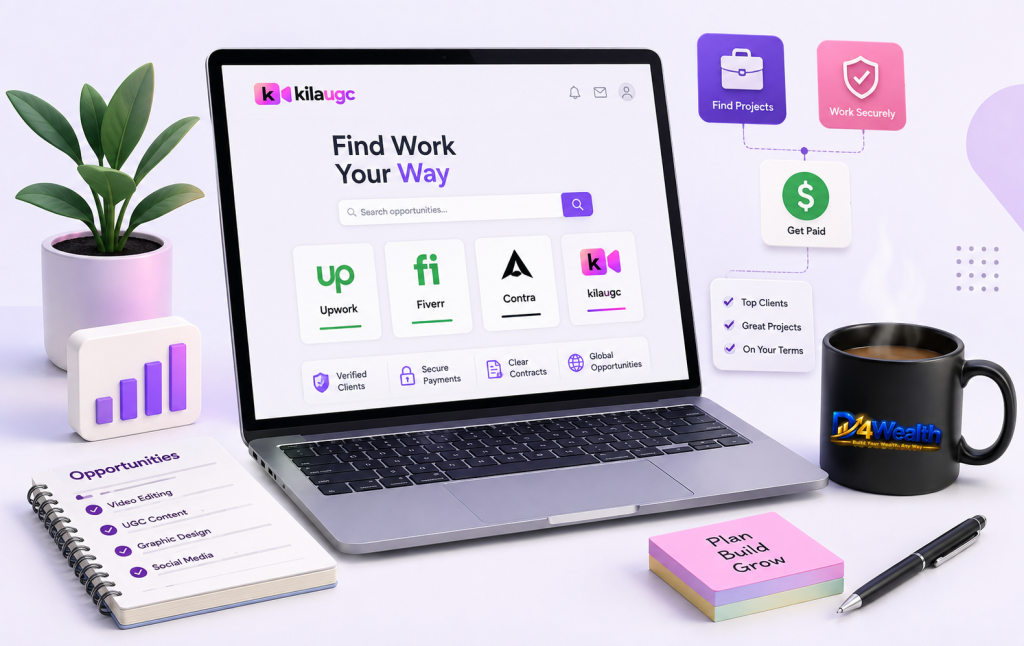
The freelance economy has exploded. Platforms like Upwork, Fiverr, Contra, and KILAUGC have created structured marketplaces where freelancers can find work, brands can find talent, and both sides benefit from secure payments, clear expectations, and professional tools. The days of chasing clients through DMs and praying for a response are over. This article reveals the best platforms to land paid remote freelance gigs, how to stand out on each one, and how to build a sustainable freelance career without the cold email grind.
According to recent data, there are 47 million Americans freelancing, and they collectively earn $1.3 trillion annually. The number of freelancers is expected to reach 90.1 million by 2028. This is not a side hustle trend—it is the future of work. The key to success is not just being a good freelancer; it is being on the right platform and knowing how to position yourself effectively.
Why Cold Emailing Brands Is a Dying Strategy
Cold emailing brands used to be the primary way freelancers found work. You would research brands, craft personalized pitches, and send them off hoping for a reply. The success rate was low, the process was exhausting, and the results were unpredictable. In 2026, the landscape has changed dramatically.
Brands are overwhelmed with cold emails. Marketing managers receive dozens of pitches daily, and most go straight to the trash. The competition is fierce, and without a way to stand out, your message is invisible. The return on investment for cold emailing is declining rapidly. The time spent researching, writing, and following up rarely translates into paid work.
Cold emailing requires significant time investment for uncertain returns. You spend hours researching and personalizing each pitch, yet the conversion rate is typically less than one percent. You are often negotiating rates and terms from a position of weakness. You have no platform to handle contracts and payments, leaving you exposed to clients who may not pay. You have no profile or portfolio that works for you around the clock.
The Alternative: Dedicated freelance platforms provide structure, security, and visibility. Instead of chasing clients, you position yourself where clients are already looking for talent. Your profile works for you 24/7, and the platform handles contracts, payments, and disputes. The time you used to spend cold emailing can be reinvested into building your profile, improving your skills, and delivering exceptional work.
The Best Platforms for Remote Freelance Gigs
There are dozens of freelance platforms available, but not all are worth your time. Here are the best platforms for 2026, categorized by what they offer and who they are best for.
1. Upwork: The Giant of Freelance Platforms
Upwork is the largest freelance marketplace in the world. It connects freelancers with clients across virtually every category, from writing and design to development and consulting. With millions of jobs posted annually, Upwork offers the widest selection of opportunities.
Why It Is Attractive: Upwork has a massive client base that includes both small businesses and Fortune 500 companies. The platform handles all payments securely through its escrow system, protecting freelancers from non-payment. You can start with no portfolio, though building one helps. There is a wide range of job types and budgets, from $50 gigs to $50,000 contracts.
The Challenges: Upwork is highly competitive, with many freelancers bidding on each job. The platform takes a significant commission (10% to 20%) on your earnings, at least initially. Getting started requires patience. You need to build a strong profile, collect reviews, and climb the ranks to access higher-paying jobs.
Best For: Upwork is ideal for freelancers who are willing to invest time in building their profile and reputation. It is best suited for those with established skills who can compete on quality rather than price. It works well for writers, designers, developers, marketers, and consultants.
2. Fiverr: Sell Your Services Like Products
Fiverr takes a different approach. Instead of bidding on jobs, you create “gigs” that clients can purchase directly. Think of it like an e-commerce store for services. You set your prices, define your offerings, and clients come to you.
Why It Is Attractive: Fiverr is entirely passive. You create your gigs once, and they work for you continuously. There is no bidding or pitching involved. The platform is beginner-friendly, allowing you to start with no experience. You can set your own prices and upgrade to higher tiers as you gain reviews. Fiverr handles payments securely and charges a 20% commission.
The Challenges: The 20% commission is higher than other platforms. Fiverr has a significant amount of low-cost competition, making it harder to command premium prices initially. Building trust and collecting reviews takes time.
Best For: Fiverr works best for freelancers who offer specific, clearly defined services. It is ideal for content creators, graphic designers, voiceover artists, and virtual assistants. It is also excellent for those who want to scale by creating multiple gigs and packages.
3. Contra: The Commission-Free Alternative
Contra is a newer platform that has gained significant traction. It positions itself as a “commission-free” alternative to traditional freelance marketplaces. Instead of charging a percentage, Contra uses a subscription model for freelancers.
Why It Is Attractive: Contra charges freelancers a monthly subscription fee rather than taking a cut of earnings. This means you keep 100% of what you earn. The platform has a modern, professional interface that feels like a social network for freelancers. It is gaining popularity with younger freelancers and creative professionals.
The Challenges: Contra has a smaller client base than Upwork or Fiverr, which means fewer opportunities. The subscription model may not be cost-effective for freelancers who only work occasionally. The platform is still building its reputation and trust with larger businesses.
Best For: Contra is ideal for freelancers who earn consistently and want to avoid commission fees. It works well for designers, developers, writers, and creative professionals who value a modern, community-driven platform.
4. KILAUGC: Premium UGC Marketplace
KILAUGC is a specialized platform for User-Generated Content creators. It connects brands with verified UGC creators for TikTok, Reels, YouTube Shorts, and product reviews. It is designed specifically for the creator economy.
Why It Is Attractive: KILAUGC is purpose-built for UGC creators, making it easier to find relevant work. The platform handles all paperwork, contracts, and payments. It has a verification process that helps brands trust your work. Creators can access campaigns from brands around the world.
The Challenges: KILAUGC is niche-specific. It only works for UGC creators. The platform is growing, but its client base is still building compared to generalist platforms.
Best For: KILAUGC is the top choice for UGC creators looking for paid brand campaigns. It is ideal for those who create content for TikTok, Instagram Reels, and YouTube Shorts.
5. Billo: UGC Platform for Creator-Brand Collaboration
Billo is another specialized UGC platform. Over 5,000 creators have joined, working with 22,000+ brands. The platform has paid out $8.3 million to creators.
Why It Is Attractive: Billo requires no experience and offers free products to creators. The platform handles all paperwork and payments. It offers 500+ weekly job offers, providing consistent work opportunities.
The Challenges: Billo is UGC-only, making it a niche platform. The pay rates are entry-level, though they increase with experience.
Best For: Billo is perfect for beginners looking to start their UGC career. It offers a low barrier to entry and consistent work.
6. Playkit: UGC for College-Age Creators
Playkit has worked with over 200 UGC creators. The average creator earns about $500 per week ($2,000 per month), with top earners making around $10,000 per month.
Why It Is Attractive: Playkit requires no followers. It is designed for college-age creators balancing classes and work. The platform provides consistent weekly work and clear expectations.
The Challenges: Playkit is a smaller platform with limited reach compared to generalist sites. It is focused on a specific demographic.
Best For: Playkit is ideal for younger creators and students looking to build a UGC portfolio while earning consistent income.
7. Toptal: Premium Freelance Talent
Toptal positions itself as the platform for the top three percent of freelance talent. It is highly selective, requiring a rigorous screening process that includes skills testing and interviews.
Why It Is Attractive: Toptal connects freelancers with premium clients, including Fortune 500 companies. The rates are significantly higher than generalist platforms. The platform handles all client management and payments.
The Challenges: Toptal has a rigorous screening process that requires significant time investment. It is only available to high-skilled freelancers in specific categories like development, design, and finance.
Best For: Toptal is for elite freelancers who want to command premium rates and work with top-tier clients. It is best for software developers, designers, and finance experts.
8. LinkedIn: The Emerging Platform
LinkedIn is testing a marketplace where selected professionals can find remote work opportunities. It leverages the existing professional network to connect freelancers with clients.
Why It Is Attractive: LinkedIn has the largest professional network in the world. The platform is free to use. It integrates with your existing professional profile and network.
The Challenges: LinkedIn’s marketplace is still in testing and limited in scope. It is not available to all freelancers yet.
Best For: LinkedIn is ideal for professionals who already have a strong LinkedIn presence and want to explore freelance opportunities without leaving the platform.
9. Freelancer.com: The Bid-Based Platform
Freelancer.com is a long-standing platform that uses a bidding system similar to Upwork. It has millions of users and jobs across all categories.
Why It Is Attractive: Freelancer.com has a large client base and a wide variety of projects. It offers both fixed-price and hourly projects.
The Challenges: Freelancer.com is highly competitive. The platform has a complex fee structure and significant low-cost competition.
Best For: Freelancer.com works for freelancers who are willing to compete on price and volume. It is best for those who can work quickly and efficiently.
10. PeoplePerHour: UK-Focused Platform
PeoplePerHour is a UK-based platform that connects freelancers with clients. It has a strong presence in Europe and offers a wide range of freelance categories.
Why It Is Attractive: PeoplePerHour has a loyal client base and a structured platform. It offers both fixed-price and hourly projects.
The Challenges: The platform is smaller than Upwork and Fiverr, offering fewer opportunities. It has a significant European focus.
Best For: PeoplePerHour is ideal for freelancers in the UK and Europe who want to connect with local clients.
Platform Comparison Summary
Platform Comparison:
• Upwork: Commission 10-20% | Best For: General freelancing | Difficulty: Medium
• Fiverr: Commission 20% | Best For: Specific services | Difficulty: Easy
• Contra: Subscription | Best For: Creative freelancing | Difficulty: Easy
• KILAUGC: Platform fee | Best For: UGC creators | Difficulty: Easy
• Billo: Platform fee | Best For: UGC beginners | Difficulty: Easy
• Playkit: Platform fee | Best For: College-age creators | Difficulty: Easy
• Toptal: Premium | Best For: Elite talent | Difficulty: Hard
• LinkedIn: Free | Best For: Professional freelancers | Difficulty: Easy
• Freelancer.com: Variable | Best For: Volume work | Difficulty: Medium
• PeoplePerHour: Variable | Best For: UK/Europe freelancers | Difficulty: Medium
How to Build a Profitable Freelance Profile
Regardless of which platform you choose, your profile is your most important asset. It is the first thing potential clients see, and it determines whether they will hire you. Here is how to build a profile that attracts clients and commands premium rates.
Profile Photo and Headline: Your profile should include a professional photo that builds trust. Your headline should clearly state what you do and who you serve. Instead of “Freelance Writer,” try “B2B SaaS Content Writer for Tech Companies.” This specificity attracts the right clients and sets the right expectations.
Portfolio and Work Samples: Your portfolio is your evidence of capability. Include your best work and explain the results you achieved for each client. If you are new and have no portfolio, create samples specifically for your portfolio. This demonstrates your skills and initiative.
Skills and Expertise: List relevant skills, being specific rather than generic. Include industry-specific keywords to improve your visibility in search results. Highlight any certifications or specializations that set you apart.
Reviews and Ratings: Reviews are the social proof that builds trust. Start by taking smaller projects at lower rates to build your review count. Once you have positive reviews, raise your rates. Always deliver quality work and ask for reviews after successful completion.
Pricing Strategy: Do not compete on price alone. Compete on value. Start with competitive rates, then raise them as you gain reviews and experience. Use package pricing to encourage larger projects and recurring work. Be transparent about your rates and what is included.
Specialization: Specializing in a niche makes you more attractive to clients. It allows you to command higher rates and reduces your competition. Choose an industry or skill area where you have expertise and passion.
Original illustration of freelance earnings growth
The 30-Day Platform Success Plan
📋 Your Step-by-Step Guide
Week 1: Platform Selection and Profile Setup
Choose 2-3 platforms that align with your skills. Create complete profiles with professional photos, compelling headlines, and detailed descriptions. Upload your best work samples.
Week 2: Proposal and Gig Creation
Create 5-10 gigs on Fiverr or submit proposals on Upwork. Target smaller projects at competitive rates to build reviews. Follow up on proposals professionally.
Week 3: Network and Build Reputation
Connect with other freelancers and potential clients. Engage in platform communities. Request reviews from satisfied clients. Share your successes on social media.
Week 4: Scale and Optimize
Increase your rates based on your reviews and demand. Create higher-tier packages or services. Expand to additional platforms. Start building a client list outside the platform.
Conclusion
Cold emailing brands is a dying strategy. The most successful freelancers in 2026 are using dedicated platforms to find paid remote work. These platforms provide structure, security, and visibility that cold emailing cannot match. Whether you choose Upwork, Fiverr, Contra, KILAUGC, or another platform, the key is to invest in your profile, deliver exceptional work, and build a reputation that attracts clients to you.
The freelance economy is growing. Opportunities are abundant. The platforms are ready. The only question is whether you will take the next step toward building a sustainable, profitable freelance career.