
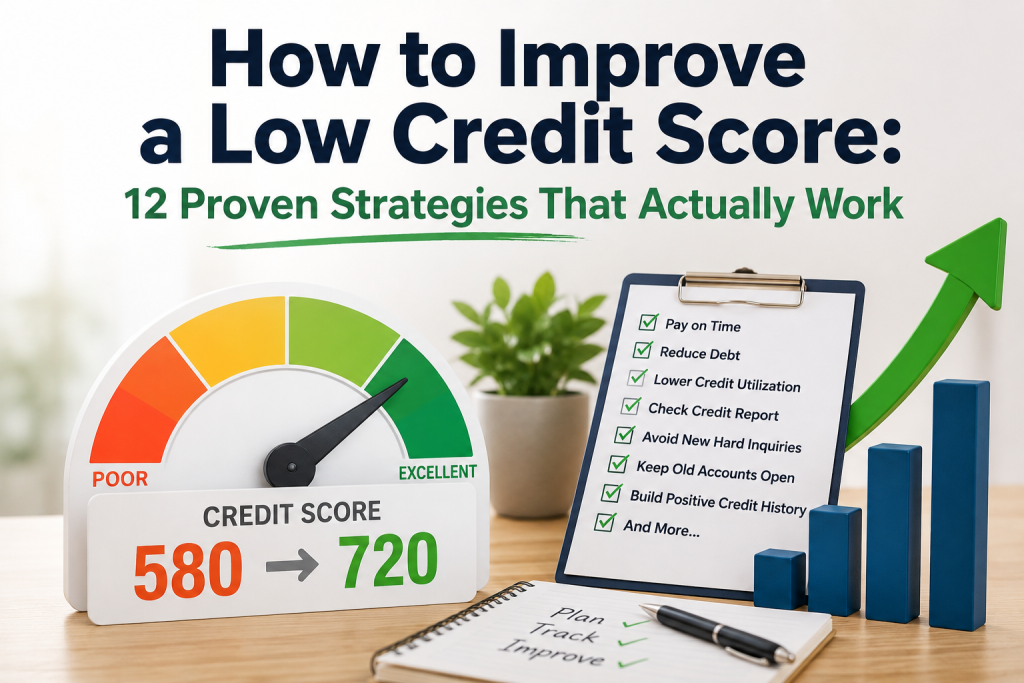
How to Improve a Low Credit Score: 12 Proven Strategies That Actually Work
NTRODUCTION
A low credit score can feel like a financial prison. It limits your ability to borrow money, forces you to pay higher interest rates, and can even prevent you from renting an apartment or getting a job. But here is the good news: credit scores are not permanent. They change based on your financial behavior, and with the right strategies, you can improve a low credit score significantly.
The journey to a better credit score is not about quick fixes—it is about consistent, positive financial habits. This guide provides 12 proven strategies that actually work, backed by data and expert recommendations. Whether your score is in the 500s or the 600s, these strategies can help you climb into the good or excellent range within a reasonable timeframe.
How Long Does It Take to Improve a Credit Score?
Improving a credit score takes time, but the timeline depends on the strategies you use. Some strategies, like paying down credit card balances, can produce results in as little as 30 days. Others, like building a longer credit history, take years. On average, you can expect to see meaningful improvement in 3-6 months with consistent effort. However, recovering from significant negative items like bankruptcy or foreclosure can take 7-10 years.
STRATEGY 1: CHECK YOUR CREDIT REPORTS FOR ERRORS
The first step to improving your credit score is to know what is on your credit reports. Errors on your credit reports are more common than you might think. A study by the Federal Trade Commission found that one in five consumers had an error on at least one of their credit reports. These errors can significantly lower your score, and correcting them can give you an immediate boost.
Start by getting your free credit reports from AnnualCreditReport.com. You are entitled to one free report from each of the three major credit bureaus—Equifax, Experian, and TransUnion—every 12 months. Review each report carefully for errors. Common errors include accounts that do not belong to you, incorrect personal information, payment history errors, and accounts that should have been removed due to age.
If you find an error, dispute it with the credit bureau. The dispute process is free and can be done online, by mail, or by phone. The credit bureau must investigate your dispute within 30 days and correct any errors they find. Removing a single error can boost your score by 20-50 points or more, depending on the nature of the error.
STRATEGY 2: PAY YOUR BILLS ON TIME, EVERY TIME
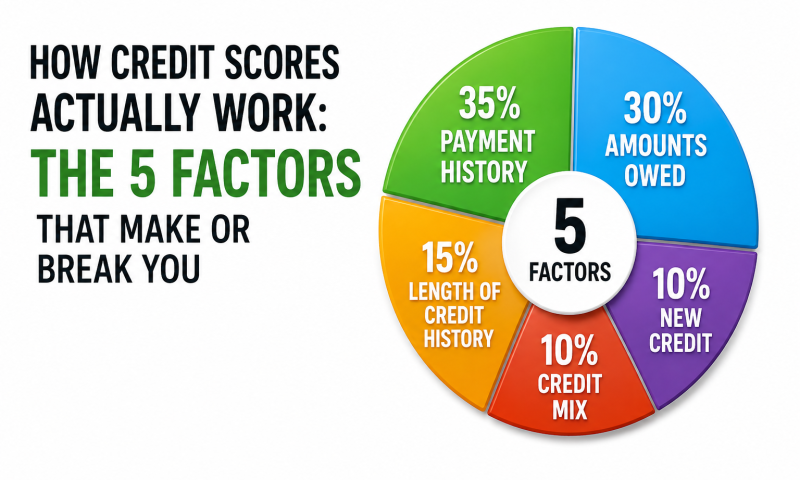
Payment history is the most important factor in your credit score, accounting for 35% of your FICO Score. Even one late payment can drop your score by 60-110 points, especially if you have a high score to begin with. The best way to improve your credit score is to make all your payments on time, every time.
Set up automatic payments for at least the minimum amount due on all your accounts. This ensures you never miss a payment, even if life gets busy. If you cannot pay the full balance, pay at least the minimum. Late payments stay on your credit report for seven years, but their impact diminishes over time as you establish a pattern of on-time payments. If you have missed payments in the past, the best strategy is to make all future payments on time. Over time, the positive payment history will outweigh the negative.
STRATEGY 3: REDUCE YOUR CREDIT UTILIZATION
Credit utilization is the second-most important factor in your credit score, accounting for 30% of your FICO Score. It is the percentage of your available credit that you are using. Financial experts recommend keeping your credit utilization below 30%, and ideally below 10%, for the best scores.
To reduce your credit utilization, focus on paying down your credit card balances. Even a small reduction can improve your score because utilization is evaluated on a monthly basis. You can also request a credit limit increase, which lowers your utilization ratio if you do not increase your spending. Another strategy is to spread your balances across multiple cards rather than maxing out one card. Avoid closing old credit cards, as this reduces your total available credit and can increase your utilization ratio.
STRATEGY 4: AVOID OPENING NEW CREDIT ACCOUNTS
Each time you apply for credit, a hard inquiry is placed on your credit report. Multiple hard inquiries in a short period can lower your score by several points. If you are working to improve your credit score, avoid opening new credit accounts unless absolutely necessary.
If you are shopping for a mortgage or auto loan, do your rate shopping within a 45-day window. FICO treats multiple inquiries for the same type of loan within that window as a single inquiry, minimizing the impact on your score. Be cautious about opening store credit cards just for a one-time discount—these can hurt your score more than the savings are worth.
STRATEGY 5: BECOME AN AUTHORIZED USER
Becoming an authorized user on someone else’s credit card can give your credit score a significant boost. When you are added as an authorized user, the primary cardholder’s credit history is added to your credit report, including their payment history, credit limit, and account age.
Choose a primary cardholder who has a long history of on-time payments and low credit utilization. Ask the card issuer if they report authorized user activity to the credit bureaus. Once you are added, the positive history can help you build credit without taking on additional debt. This strategy is particularly effective for young adults or those with limited credit history.
STRATEGY 6: PAY DOWN DEBT STRATEGICALLY
Paying down your overall debt can improve your credit score, but the strategy matters. Focus on paying down credit card debt with high utilization first. This can have the most immediate impact on your score because utilization is evaluated monthly.
Consider using the debt snowball method, where you pay off your smallest debt first, then roll those payments into the next smallest debt. While the debt avalanche method (paying the highest interest rate first) saves more money, the snowball method can provide psychological motivation that keeps you on track. Whichever method you choose, consistent progress on reducing your debt will improve your credit score over time.
STRATEGY 7: KEEP OLD ACCOUNTS OPEN
The length of your credit history accounts for 15% of your FICO Score. Closing old accounts can shorten your credit history and lower your score. Even if you are not using an old credit card, keeping it open contributes to your average age of accounts.
If you have an old card with an annual fee and you do not use it, consider asking the issuer to downgrade it to a no-fee card rather than closing it. This keeps the account open and preserves your credit history while eliminating the fee. If you must close an account, close newer accounts first to minimize the impact on your credit history.
STRATEGY 8: USE A SECURED CREDIT CARD
If you have a low credit score and cannot qualify for an unsecured card, a secured credit card is an excellent tool for building credit. With a secured card, you make a refundable security deposit that becomes your credit limit. You use the card like a regular credit card, and the issuer reports your payment history to the credit bureaus.
Use your secured card for small, regular purchases that you can pay off in full each month. After 6-12 months of responsible use, many issuers will upgrade you to an unsecured card and refund your deposit. This can be a significant milestone in your credit-building journey.
STRATEGY 9: CONSIDER A CREDIT-BUILDER LOAN
Credit-builder loans are specifically designed to help people build or rebuild credit. With a credit-builder loan, you make regular payments over a set period, and the lender reports your payments to the credit bureaus. At the end of the loan term, you receive the money you paid in, minus any fees.
Credit-builder loans are effective for building a positive payment history and establishing credit mix. They are available at many credit unions and online lenders. Before applying, make sure you can afford the monthly payments, as missed payments can hurt your credit.
STRATEGY 10: USE RENT AND UTILITY REPORTING SERVICES
Your rent and utility payments can be used to build your credit history. Services like Experian Boost, eCredable Lift, and RentTrack report on-time rent and utility payments to the credit bureaus. These services are free or low-cost and can provide a quick boost to your credit score.
To use these services, sign up and connect your bank account to verify your payments. The service will add your on-time payments to your credit report, potentially boosting your score. This is particularly valuable for people who do not have traditional credit accounts.
STRATEGY 11: LIMIT HARD INQUIRIES
Each time you apply for credit, a hard inquiry is placed on your credit report. Multiple hard inquiries in a short period can lower your score by several points. When you are working to improve your credit score, avoid applying for new credit unless it is necessary.
If you are shopping for a mortgage or auto loan, do your rate shopping within a 45-day window. FICO treats multiple inquiries for the same type of loan within that window as a single inquiry, minimizing the impact on your score. Be cautious about opening store credit cards just for a one-time discount—these can hurt your score more than the savings are worth.
STRATEGY 12: MONITOR YOUR PROGRESS
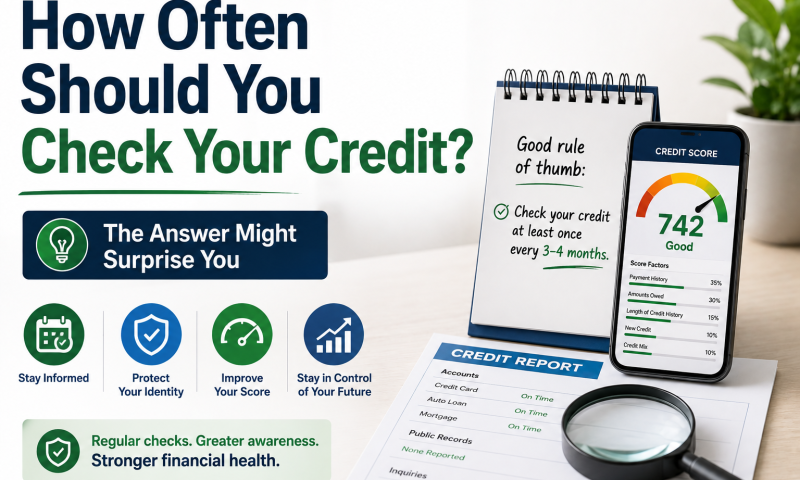
Regularly monitoring your credit score and credit report is essential for understanding how your actions affect your score. Many credit card issuers and banks offer free credit score monitoring as a benefit to their customers. You can also get free credit reports from AnnualCreditReport.com.
When you check your credit report, look for errors that could be dragging down your score. If you find an error, dispute it with the credit bureau. The dispute process is free and can result in significant score improvements if errors are corrected. Tracking your progress helps you stay motivated and adjust your strategy as needed.
HOW LONG WILL IT TAKE TO SEE RESULTS?
| Strategy | Time to See Results |
|---|---|
| Paying down credit card balances | 30-60 days |
| Disputing credit report errors | 30-60 days |
| Making on-time payments | Immediate (positive history builds over time) |
| Becoming an authorized user | 30-60 days (if the card issuer reports) |
| Credit-builder loans | 6-12 months (at the end of the loan term) |
| Rent and utility reporting | 30-60 days |
COMMON MISTAKES TO AVOID
Avoid falling for credit repair scams that promise to remove negative items for a fee. No one can legally remove accurate negative information from your credit report. Only time and positive behavior can improve your credit.
Avoid closing old accounts, as this can shorten your credit history and increase your utilization ratio. Avoid applying for new credit too often, as hard inquiries can lower your score. Avoid maxing out your credit cards, as high utilization signals risk to lenders.
CONCLUSION
Improving a low credit score is not easy, but it is achievable with consistent effort and the right strategies. The 12 strategies in this guide provide a comprehensive roadmap to building a better credit score. From checking your credit reports for errors to paying down debt and using credit-building tools, each strategy plays a role in your journey to better credit.
Remember that improving your credit score takes time. Be patient, stay consistent, and celebrate small victories along the way. Your credit score is a reflection of your financial habits, and changing those habits takes time. With persistence and discipline, you can achieve the credit score you deserve and unlock better financial opportunities.