
How to Build Credit from Zero: A Step-by-Step Roadmap for No-History Borrowers

INTRODUCTION
More than 45 million consumers are considered to be either credit unserved or underserved in the United States. If you are a young adult or need to start building a credit history or rebuild after not having credit for a long time, there are several ways to get started. Building credit from zero is not difficult, but it requires patience and discipline. With no credit history, you are essentially invisible to lenders. They have no track record to evaluate, which makes them reluctant to extend credit. The key is to start small and build a positive history over time. Even if you do not plan to borrow money, credit is still important. Credit scores can affect your ability to get approved for utility services, rent an apartment, and even get a job. Without a credit history, you may be required to pay higher deposits for utilities or rental applications, and you may struggle to qualify for the best rates on loans. This guide provides a comprehensive roadmap for building credit from zero, covering every option available, the steps to take, and common mistakes to avoid.
WHY BUILDING CREDIT IS IMPORTANT
Building a credit history is essential for your financial future. A good credit score can help you qualify for lower interest rates on loans, saving you thousands of dollars over time. It can also help you get approved for rental applications, utility services, and even certain jobs. Without a credit history, you are considered a higher risk by lenders. They have no way of knowing whether you are likely to repay a loan or manage credit responsibly. This often results in higher interest rates, lower credit limits, or outright rejection of your applications. Building credit from zero takes time, but the benefits are well worth the effort. A strong credit score provides financial flexibility and security that can help you achieve your goals, whether that means buying a home, starting a business, or simply having peace of mind about your financial future.
OPTION 1: SECURED CREDIT CARDS
A secured credit card requires a cash deposit as collateral for the credit limit and is a good option for those with little or no credit history. The deposit typically ranges from $200 to $500, and it serves as your credit limit. When you use the card responsibly and make on-time payments, you are building a positive payment history that will be reported to the credit bureaus. When you open a secured credit card, you make a refundable security deposit. This deposit acts as collateral and typically becomes your credit limit. You then use the card like a regular credit card, making purchases and paying your bill each month. After several months of responsible use, many issuers will return your deposit and upgrade you to an unsecured card. Not all secured cards are created equal. When choosing a secured card, look for one with no annual fee or a low annual fee. Avoid cards with high interest rates if you plan to carry a balance. Make sure the card reports to all three credit bureaus. Check if the card offers a path to upgrade to an unsecured card after responsible use. The Discover it Secured Card is one of the best options for beginners. It offers cash back rewards, no annual fee, and automatic reviews starting at seven months to transition to an unsecured card. The Capital One Quicksilver Secured Card also offers cash back rewards and a low annual fee. The Bank of America Customized Cash Secured Card allows you to choose your 3% cash back category. Use your secured card for small, regular purchases that you can pay off in full each month. Keep your utilization low by not maxing out the card. Set up automatic payments to ensure you never miss a due date. After 6-12 months of responsible use, contact your issuer to request an upgrade to an unsecured card and a refund of your deposit.
OPTION 2: STUDENT CREDIT CARDS
If you are a college student, you may qualify for a student credit card. These cards are specifically designed for students with limited or no credit history and often come with lower credit limits and rewards tailored to student spending. Student credit cards typically have lower approval requirements than standard unsecured cards. They often offer rewards on categories that matter to students, such as dining, groceries, and gas. Many student cards also have no annual fee and offer educational tools to help you learn about credit management. You usually need to be a college student with a valid student ID and have some form of income, even if it is part-time. Some issuers require you to be at least 18 years old. If you are under 21, you will need to show proof of independent income or have a co-signer. The Discover it Student Cash Back offers 5% cash back on rotating categories and matches all cash back earned at the end of the first year. The Capital One Quicksilver Student Card offers unlimited 1.5% cash back on all purchases. The Bank of America Travel Rewards for Students offers 1.5 points per dollar on all purchases with no annual fee.
OPTION 3: BECOMING AN AUTHORIZED USER
Becoming an authorized user on someone else’s credit card is one of the easiest ways to build credit from zero. When you are added as an authorized user, the primary cardholder’s credit history is added to your credit report, giving you an instant credit history. The primary cardholder adds you to their credit card account. You receive a card with your name on it but are not legally responsible for the debt. The account’s payment history, credit limit, and age are added to your credit report. This can give you a significant boost in your credit score, especially if the primary cardholder has a long history of on-time payments and low credit utilization. Choose a primary cardholder who has a long history of on-time payments. Make sure the account has a low credit utilization ratio. Check that the card issuer reports authorized user activity to all three credit bureaus. Ensure the card has been open for a long time to benefit from length of credit history. As an authorized user, you are not responsible for paying the bill, but any negative activity on the account will also affect your credit. Choose your primary cardholder carefully. Some issuers do not report authorized user activity to all bureaus. Ask the card issuer about their reporting practices before being added.
OPTION 4: CREDIT-BUILDER LOANS
Credit-builder loans are specifically designed to help people build or rebuild credit. Unlike traditional loans, you do not receive the money upfront. Instead, you make payments over a set period, and the lender reports your payments to the credit bureaus. You apply for a credit-builder loan at a credit union, bank, or online lender. The loan amount is placed in a savings account or certificate of deposit. You make regular monthly payments over the loan term (typically 6-24 months). At the end of the term, you receive the money you paid in, minus any fees. The lender reports your payment history to the credit bureaus, helping you build a positive payment history. Credit unions are the best source for credit-builder loans, often offering them with low fees and interest rates. Many online lenders also offer credit-builder loans. Some banks offer credit-builder loans as part of their financial education programs. Check with your local credit union to see if they offer this option. Credit-builder loans are effective for building payment history and establishing credit mix. They can help you save money while building credit. However, they require monthly payments that you must budget for. Some loans have fees that reduce the amount you receive at the end. You do not get the money upfront, so you are paying for the privilege of building credit.
OPTION 5: RENT REPORTING SERVICES
Your rent payments can be used to build your credit history. Several services now report rent payments to the credit bureaus, helping you build a positive payment history without needing a credit card or loan. You sign up for a rent reporting service like RentTrack, LevelCredit, or PayYourRent. The service verifies your rent payments and reports them to one or more credit bureaus. Consistent on-time rent payments can help you build a positive payment history. Some services charge a fee to report your rent payments. Not all services report to all three credit bureaus. The impact on your credit score may be less significant than other credit-building methods because rent payments are not always treated the same as traditional credit accounts. However, it is a useful option, especially if you are already paying rent regularly.
OPTION 6: UTILITY AND CELL PHONE REPORTING
Like rent, utility and cell phone bills can be reported to credit bureaus through specialized services. This can help you build credit without taking on debt. You sign up for a service like Experian Boost or eCredable Lift. The service connects to your bank account to verify utility and cell phone payments. On-time payments are added to your credit report, potentially boosting your score. These services typically have no cost and can provide a quick boost to your credit score. However, the impact is often smaller than traditional credit accounts. Not all credit scoring models include these payments, so the benefit may vary by lender.
STEP-BY-STEP ROADMAP TO BUILDING CREDIT FROM ZERO
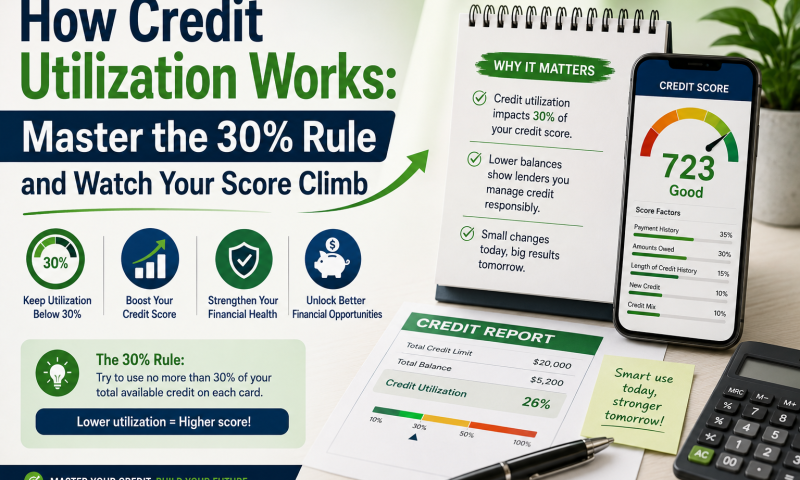
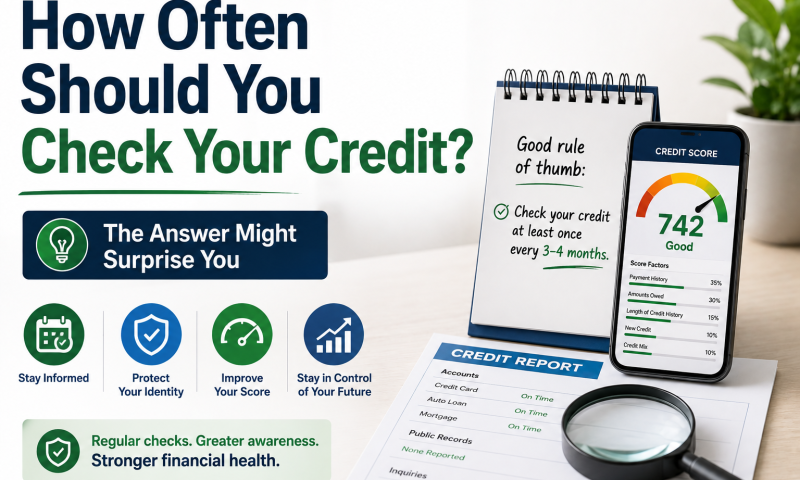
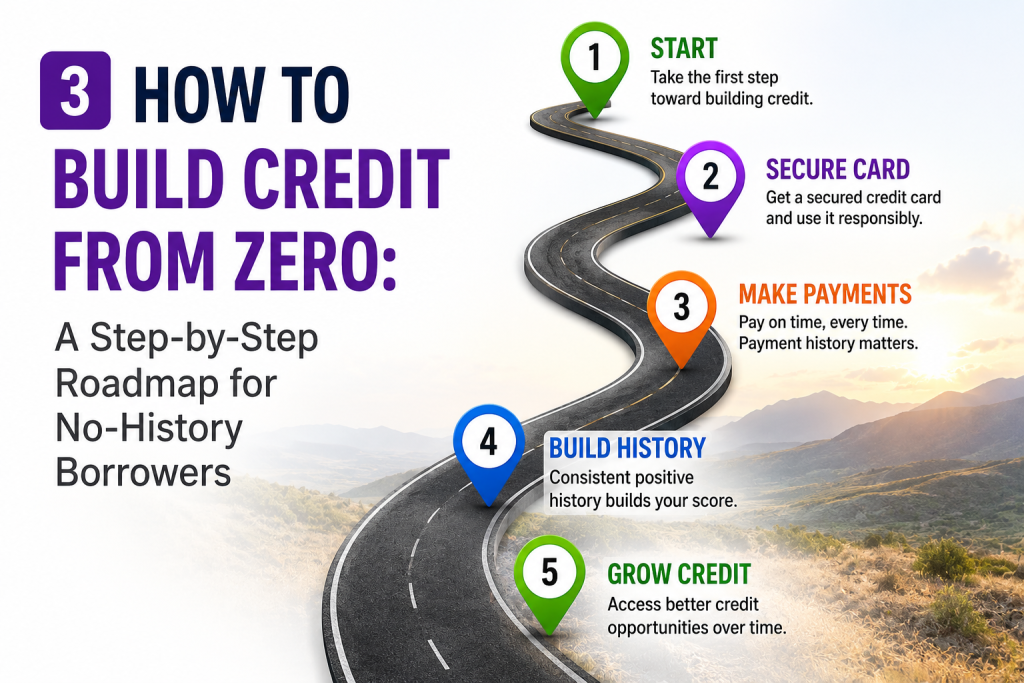
Start by getting your free credit reports from AnnualCreditReport.com. You are entitled to one free report from each of the three bureaus every 12 months. Even if you have no credit history, this confirms your current standing and helps you watch for errors. Select the credit-building option that best fits your situation. If you can make a security deposit, a secured credit card is an excellent starting point. If you are a student, consider a student credit card. If you have someone willing to help, becoming an authorized user can give you an instant boost. If you want to build credit without taking on debt, credit-builder loans or rent reporting may be the best choice. Apply for your chosen credit account. For secured cards, be prepared to make the security deposit. For authorized user status, ask the primary cardholder to add you to their account. Use your credit account for small, regular purchases that you can pay off in full each month. Keep your utilization below 30% of your credit limit. Never miss a payment. Set up automatic payments to ensure you always pay on time. Check your credit reports and scores regularly. Many credit card issuers offer free credit score monitoring. Watch for errors and dispute them if you find them. After 6-12 months of responsible use, consider adding another credit account. This can improve your credit mix and increase your available credit. Once you have established a positive credit history, contact your secured card issuer to request an upgrade to an unsecured card and a refund of your deposit.
COMMON MISTAKES TO AVOID
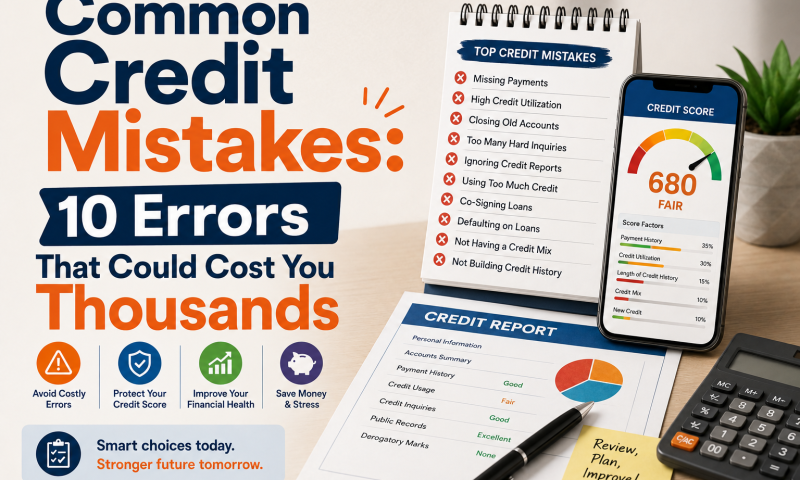
Applying for too many cards at once triggers multiple hard inquiries that can temporarily lower your score. Space out your applications. Maxing out your credit card hurts your score because high utilization signals risk. Keep your credit utilization below 30%. Missing payments is the most damaging mistake because payment history is the most important factor. A single late payment can significantly hurt your score. Closing credit accounts reduces your available credit and can hurt your utilization ratio. Keep old accounts open even if you are not using them. Not monitoring your credit means you could miss errors on your credit report that hurt your score. Regular monitoring helps you catch and correct errors quickly.
HOW LONG DOES IT TAKE TO BUILD CREDIT?
Building credit from zero takes time. Here is a realistic timeline: You will have a credit score after 3-6 months of credit activity. Your first score may be around 650-700 if you have no negative items. With responsible use over 6-12 months, your score can reach 700+. You may be able to qualify for unsecured credit cards and lower interest rates. With 1-2 years of consistent responsible credit management, a strong credit history of on-time payments, low utilization, and a good credit mix can help you achieve a credit score of 740+. With 2+ years of consistent responsible credit management, you can achieve an excellent credit score of 800+.
CONCLUSION
Building credit from zero is not difficult, but it requires patience, discipline, and a clear plan. Whether you choose a secured credit card, student credit card, authorized user status, credit-builder loan, rent reporting, or a combination of these options, the key is to start now and be consistent. The path to a strong credit score is paved with small, consistent actions: making on-time payments, keeping balances low, and managing credit responsibly. Over time, these actions compound into a credit history that opens doors to better financial opportunities. Your journey to building credit from zero starts today. Take the first step, choose your starting option, and begin building the credit history you need to achieve your financial goals.
About the Author: David Williams is a financial journalist with over 15 years of experience covering global financial markets, technology, and investing. He has worked for leading financial publications and is a frequent contributor to major financial news networks.
Disclaimer: This article is for informational purposes only and should not be considered financial or investment advice. Always conduct your own research or consult a qualified financial advisor before making financial decisions.