
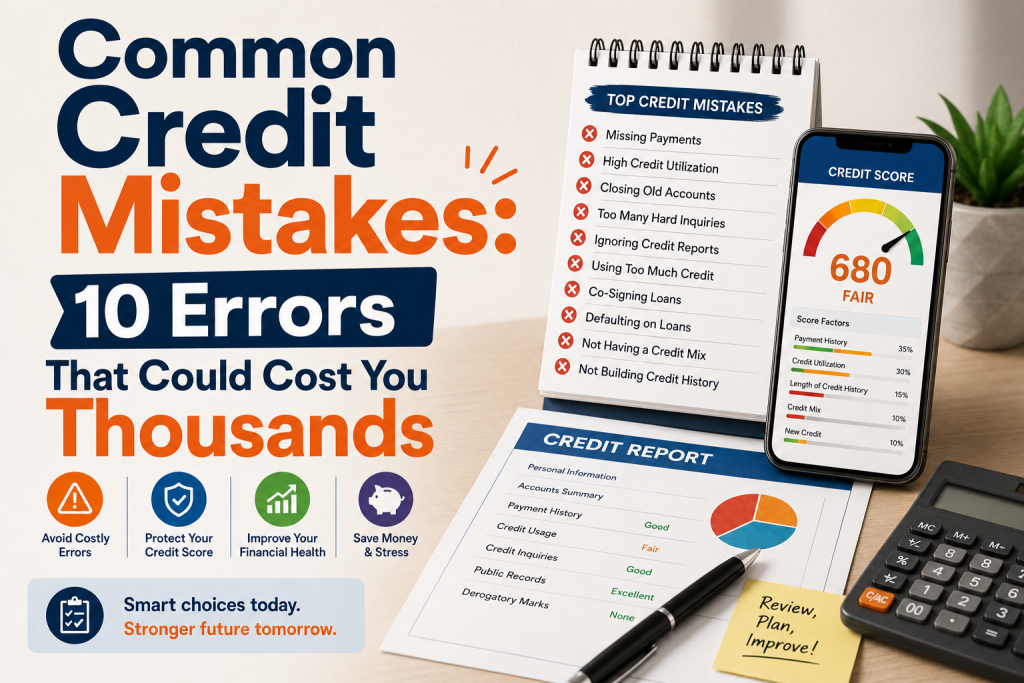
Common Credit Mistakes: 10 Errors That Could Cost You Thousands

INTRODUCTION
Your credit score is one of the most important numbers in your financial life. It affects everything from your ability to buy a home to the interest rate you pay on a car loan. Yet many people make costly credit mistakes without even realizing it. These mistakes can cost you thousands of dollars over time, making it harder to achieve your financial goals.
The good news is that most credit mistakes are avoidable. By understanding the most common errors and how to prevent them, you can protect your credit and save money. This guide covers 10 common credit mistakes that could cost you thousands of dollars and provides practical solutions to avoid them.
MISTAKE 1: MAKING LATE PAYMENTS
Late payments are the most damaging credit mistake you can make. Payment history accounts for 35% of your FICO Score, making it the single most important factor. A single 30-day late payment can drop your score by 60-110 points, depending on your starting score. The higher your score, the more damaging a late payment can be.
The cost of late payments goes beyond your credit score. Late payments also trigger late fees, which can range from $25 to $40 per occurrence. If you are habitually late, these fees can add up to hundreds of dollars per year. In addition, late payments can trigger penalty interest rates on your credit cards, increasing your interest costs significantly. Over the life of a loan, even a small interest rate increase can cost you thousands of dollars.
The best way to avoid late payments is to set up automatic payments. Most credit card issuers and lenders allow you to set up autopay for at least the minimum amount due. This ensures you never miss a payment, even if life gets busy. If you cannot set up automatic payments, create calendar reminders or use a bill-tracking app.
MISTAKE 2: CARRYING HIGH CREDIT CARD BALANCES
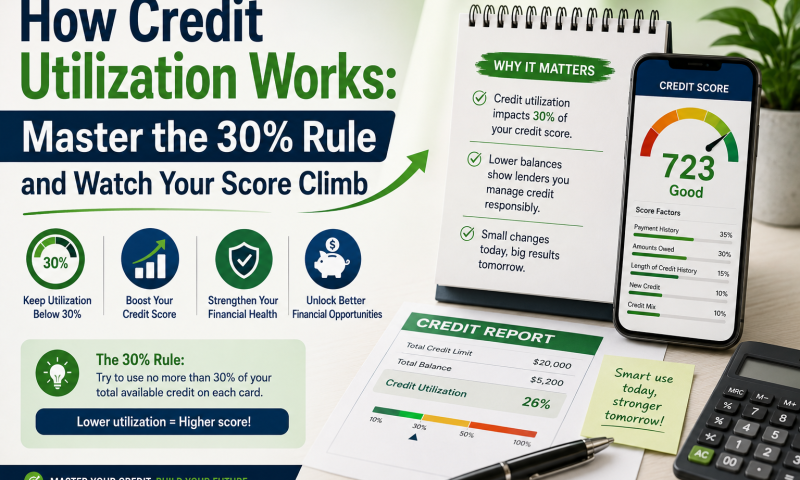
Your credit utilization ratio—the percentage of your available credit that you are using—accounts for 30% of your FICO Score. Carrying high credit card balances signals to lenders that you are financially stressed and may struggle to repay debt. Even if you pay your balance in full each month, using a high percentage of your available credit can lower your score.
The cost of carrying high balances is twofold. First, you pay interest on your balances, which can be 20% or more annually. Second, your credit score drops, which means you will pay higher interest rates on future loans. Over time, the combination of high interest and higher loan rates can cost you thousands of dollars.
To avoid this mistake, pay down your credit card balances. If you can pay your balance in full each month, that is even better. If you cannot, focus on reducing your utilization to below 30%, and ideally below 10%. You can also request a credit limit increase, which lowers your utilization ratio if you do not increase your spending.
MISTAKE 3: APPLYING FOR TOO MUCH CREDIT AT ONCE
Each time you apply for credit, a hard inquiry is placed on your credit report. Multiple hard inquiries in a short period can lower your score by several points. While the impact of a single inquiry is small—typically around 5 points—multiple inquiries can add up and cost you.
The cost of multiple inquiries is not just the temporary drop in your credit score. A lower credit score means higher interest rates on any loans you take out. For a mortgage, an increase of just 0.5% in your interest rate can cost you thousands of dollars over the life of the loan. For a car loan, a 1% increase can cost you hundreds of dollars.
Rate shopping for mortgage, auto, and student loans is treated differently. FICO counts multiple inquiries for the same type of loan within a 45-day window as a single inquiry, minimizing the impact on your score. However, rate shopping for credit cards does not receive the same treatment. Each credit card application results in a separate hard inquiry. To avoid this mistake, only apply for credit when you need it and space out your applications.
MISTAKE 4: CLOSING OLD CREDIT CARDS
Many people believe that closing old credit cards is a good way to simplify their finances or avoid annual fees. In reality, closing old cards can significantly hurt your credit score. When you close a credit card, you reduce your total available credit, which increases your credit utilization ratio. You also shorten your credit history, as the closed account stops aging and may eventually fall off your credit report.
The cost of closing old credit cards is a lower credit score. With a lower score, you will pay higher interest rates on loans. Over time, the higher interest costs can add up to thousands of dollars. If you have an old card with an annual fee, consider asking the issuer to downgrade it to a no-fee card rather than closing it. This keeps the account open and preserves your credit history while eliminating the fee.
MISTAKE 5: CO-SIGNING FOR SOMEONE ELSE
When you co-sign a loan, you become equally responsible for the debt. If the primary borrower misses payments or defaults, it hurts your credit as much as it hurts theirs. You are not just helping someone—you are putting your credit on the line.
The cost of co-signing can be devastating. If the borrower defaults, your credit score can drop significantly. You may also be responsible for paying off the entire debt, which can be thousands of dollars. Before co-signing, consider the risks carefully. Can you afford to make the payments if the primary borrower cannot? Is there another way to help them without putting your credit at risk?
MISTAKE 6: IGNORING YOUR CREDIT REPORTS
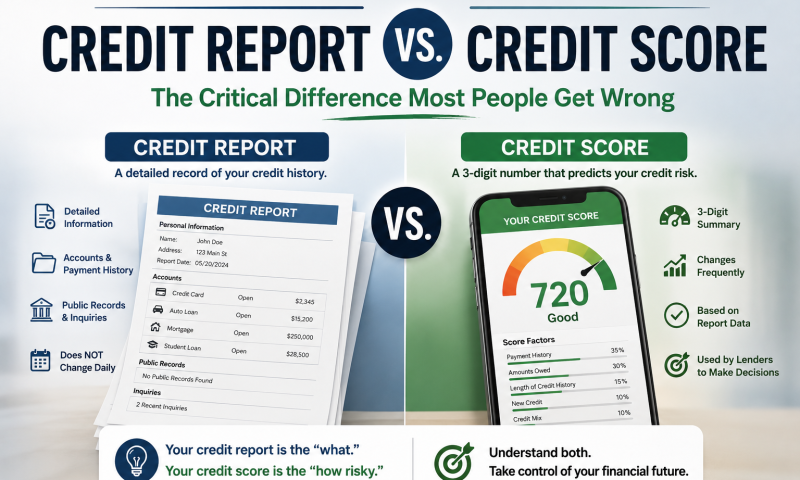
Your credit reports contain the information that determines your credit score. If your reports contain errors—and many do—your score could be lower than it should be. A study by the Federal Trade Commission found that one in five consumers had an error on at least one of their credit reports.
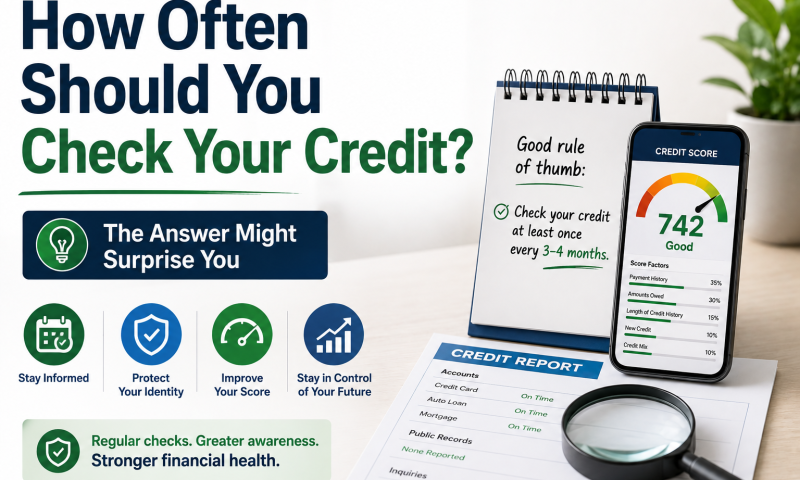
The cost of ignoring your credit reports is a lower credit score. If errors are dragging down your score, you could be paying higher interest rates on loans. For a mortgage, even a small interest rate difference can cost you thousands over the life of the loan. To avoid this mistake, check your credit reports regularly. Get your free credit reports from AnnualCreditReport.com and review them carefully for errors. If you find an error, dispute it with the credit bureau.
MISTAKE 7: USING YOUR ENTIRE CREDIT LIMIT
Using your entire credit limit—even if you pay it off each month—can hurt your credit score. Credit utilization is calculated based on your balance at the time your statement is generated, not your balance at the end of the month. If your statement shows a high balance, your utilization will be high, even if you pay it off the next day.
The cost of using your entire credit limit is a lower credit score. With a lower score, you will pay higher interest rates on loans. To avoid this mistake, make multiple payments throughout the month to keep your balance low. You can also pay your balance before the statement closing date to reduce the balance reported to the credit bureaus.
MISTAKE 8: NOT HAVING A MIX OF CREDIT TYPES
Having a mix of credit types—revolving accounts like credit cards and installment accounts like loans—can help your credit score. Credit mix accounts for 10% of your FICO Score. While it is the least important factor, having a healthy mix of credit types can still benefit your score.
The cost of having only one type of credit is a lower score. Without a credit mix, you may not achieve the highest possible score. You do not need to take on debt just to improve your credit mix, but if you are considering a major purchase like a car, financing it can help diversify your credit types.
MISTAKE 9: CARRYING A BALANCE TO BUILD CREDIT
Many people believe that carrying a balance on their credit cards helps build credit. This is a myth. You do not need to carry a balance to build credit. Paying your balance in full each month is better for your finances and still builds a positive payment history.
The cost of carrying a balance is the interest you pay. Credit card interest rates average 20% or more. If you carry a balance of $1,000, you could be paying $200 or more in interest each year. Over time, this can add up to thousands of dollars. To avoid this mistake, pay your balance in full each month.
MISTAKE 10: NOT MONITORING YOUR CREDIT SCORE
You cannot improve your credit if you do not know where you stand. Many people do not monitor their credit score regularly, so they do not know if their score is improving or declining. Without this information, you cannot make informed decisions about your finances.
The cost of not monitoring your credit is missed opportunities. You may not know when you have achieved a score that qualifies for better interest rates. You may also miss early signs of identity theft or credit report errors. To avoid this mistake, check your credit score regularly. Many credit card issuers and banks offer free credit score monitoring.
SUMMARY OF COSTS
| Mistake | Immediate Cost | Long-Term Cost |
|---|---|---|
| Late payments | $25-$40 per late fee | Lower score = higher interest rates |
| High credit card balances | Interest charges of 20%+ | Lower score = higher loan rates |
| Multiple inquiries | 3-5 points per inquiry | Higher interest rates on loans |
| Closing old credit cards | None immediate | Lower score = higher interest rates |
| Co-signing | Potential debt liability | Lower score if borrower defaults |
| Ignoring credit reports | None immediate | Higher interest rates if errors exist |
| Using entire credit limit | None immediate | Lower score = higher interest rates |
| No credit mix | None immediate | Lower score = higher interest rates |
| Carrying a balance | Interest charges | Thousands in unnecessary interest |
| Not monitoring credit | None immediate | Missed opportunities |
HOW TO RECOVER FROM THESE MISTAKES
If you have made any of these mistakes, do not panic. Credit scores are not permanent, and you can recover with time and consistent effort. The key is to take proactive steps to correct the mistake and prevent future issues. For late payments, bring the account current and set up automatic payments to prevent future late payments. For high credit utilization, pay down your balances and request credit limit increases. For multiple inquiries, stop applying for new credit and let time heal the inquiries. For closed credit cards, keep old accounts open. For co-signed loans, monitor the account and be prepared to take over payments if necessary. For credit report errors, dispute them with the credit bureau. For high credit utilization, pay down balances before the statement closing date. For no credit mix, consider diversifying your credit types when it makes sense. For carrying a balance, pay your balance in full each month. For not monitoring your credit, start checking your credit score regularly.
CONCLUSION
Credit mistakes are costly, but they are also avoidable. By understanding the most common errors and how to prevent them, you can protect your credit and save thousands of dollars. The key is to be proactive about your credit management: make on-time payments, keep your balances low, monitor your credit regularly, and avoid unnecessary credit applications. Your credit score is one of your most valuable financial assets. Protect it by avoiding these 10 common mistakes.
About the Author: The Financial Education Team is dedicated to helping individuals build strong financial foundations through clear, actionable guidance on credit, saving, and wealth-building.
Disclaimer: This article is for informational purposes only and should not be considered financial or investment advice. Always conduct your own research or consult a qualified financial advisor before making financial decisions.